


Nurturing Family Harmony: Ways To Deal With Sibling Rivalry
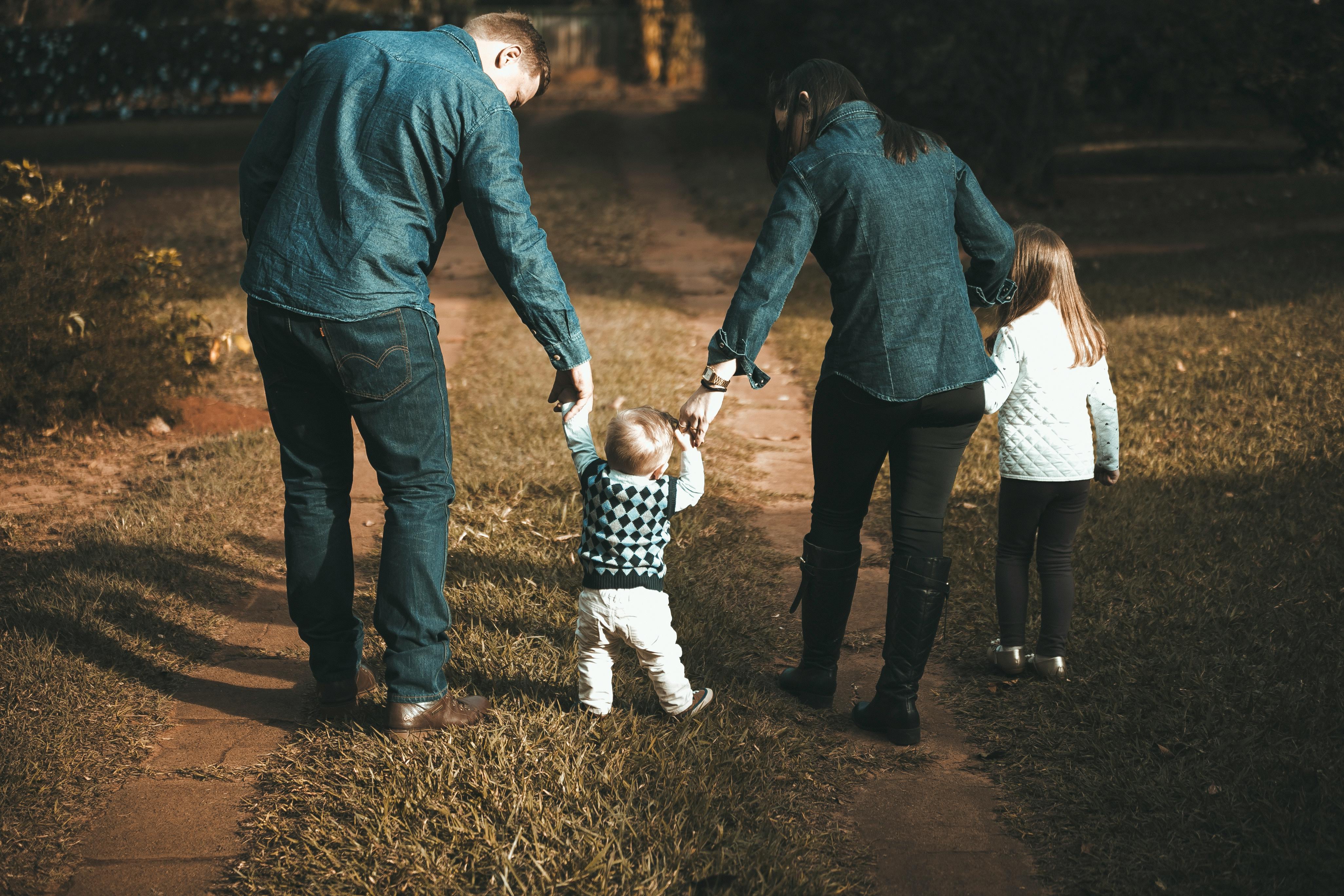


Siblings - companions for life, partners in crime, and sometimes the source of intense rivalry. While sibling relationships are often characterized by love and support, the occasional discord, or what we commonly term as sibling rivalry, is an inherent aspect of growing up in a shared family space. Understanding, addressing, and managing sibling rivalry is essential for fostering a healthy family dynamic.
Roots of Sibling Rivalry
Understanding the roots of sibling rivalry involves acknowledging various factors. These may include parental attention distribution, differences in personality or interests, perceived favoritism, or simply the need for individuality within the family unit.
1. The Role of Birth Order in Children
The dynamics of sibling relationships and the likelihood of rivalry can be significantly influenced by birth order. The middle child may want attention, the youngest may try to establish themselves, and the eldest may feel that they have a duty to take the lead.
Each child must negotiate their place in the family, which can occasionally result in conflicts because of their roles. For instance, the middle child may feel neglected, the youngest may want more attention, and the eldest may feel under pressure to lead by example. By recognizing these factors, parents can minimize competition and promote healthier sibling relationships by establishing an atmosphere where each child feels respected and understood.
2. Impact on Family Dynamics
Sibling rivalry, when left unchecked, can impact family dynamics. Constant conflict or competition can create tension, strain relationships among siblings, and, in some cases, influence parental stress and decision-making.
3. Healthy vs. Unhealthy Rivalry
Distinguishing between healthy and unhealthy rivalries is crucial. Healthy competition fosters growth, resilience, and social skills. However, when rivalry turns into persistent hostility or adversely affects self-esteem and mental well-being, it becomes unhealthy.
Healthy Sibling Rivalry:
Healthy rivalry encourages positive competition and growth. It involves:
• Motivation to Improve: Healthy competition motivates siblings to excel, learn from each other, and strive for personal growth and achievement.
• Skill Development: It can foster the development of various skills like teamwork, negotiation, and problem-solving as they navigate their interactions.
• Positive Relationship Building: Healthy rivalry often leads to stronger relationships, with siblings supporting and encouraging each other's success.
Unhealthy Sibling Rivalry:
Excessive rivalry can harm a person's personal growth and connections with their siblings.
•Constant Conflict: Sibling rivalry that is unhealthy breeds hostility, disagreements, and ongoing conflict.
•Jealously and Resentment: When one sibling receives unjust treatment or less attention, it can lead to sentiments of jealously and resentment.
•Negative Effect on Self-Esteem: Unhealthy rivalry can have a negative effect on one's sense of self-worth and self-esteem, which can result in feelings of inadequacy or a persistent need for acceptance.
Parental Influence in Sibling Dynamics
Parents serve as pivotal mediators in managing sibling rivalry. Their behavior sets the tone, either encouraging healthy competition or fueling rivalry. Parents have a huge influence on sibling dynamics. How they behave can either support healthy competition or worsen rivalry.
5. Navigating Favouritism
Avoiding perceptions of favoritism among siblings is crucial. When parents show favoritism among siblings, it can deeply impact family dynamics. It often leads to feelings of inequality, jealousy, and resentment among the children. The favored child might feel pressured or struggle with expectations, while the other children might feel neglected or less valued. Over time, this can strain relationships and create lasting emotional effects
Ways to Deal with Sibling Rivalry
Encouraging Cooperation
Promoting collaboration over competition among siblings can foster stronger bonds. Engaging in shared activities, setting common goals, and teaching conflict resolution skills equip siblings to work through differences peacefully.
Conflict Resolution Strategies
Early instruction in conflict resolution techniques gives siblings the ability to handle arguments in a positive way. An atmosphere that values empathy, compromise, and active listening is more harmonious. Maintaining fairness through discipline in conflict resolution lessens conflict over accused injustices. Sibling perceptions of inequity can be managed by fostering a fair atmosphere and respecting each child's uniqueness.
• Teaching Conflict Resolution Skills
Sibling rivalry provides an opportunity to teach valuable life skills, particularly conflict resolution. By guiding children through effective communication and negotiation, parents empower them to navigate not only sibling relationships but also future
interpersonal dynamics. These skills lay the foundation for healthier relationships in adulthood and equip siblings with the skills to resolve conflicts peacefully, promoting understanding and compromise.
• Addressing Rivalry During Childhood
Sibling relationships continue to evolve into adulthood, influencing social interactions, communication styles, and support systems. Addressing rivalry during childhood helps in the long term, as it lays the groundwork for healthier relationships in the future.
Building Positive Sibling Relationships
Nurturing positive sibling relationships involves celebrating each other's successes, showing appreciation, and fostering a sense of mutual trust. These actions contribute to a supportive and loving sibling bond.
Understanding Individual Differences
Siblings are unique individuals with distinct personalities, interests, and strengths. Recognizing and celebrating these differences can help minimize rivalry. Encouraging each child to pursue their passions and supporting their individuality reinforces a sense of identity and reduces the need for unhealthy competition.
Communication as a Key Tool
Open communication is the linchpin to addressing and mitigating sibling rivalry. Encourage your children to express their feelings and concerns without judgment. By providing a platform for them to communicate openly, parents can gain insights into the root causes of conflicts and guide their children towards resolution. Recognizing emotions and providing support reduces resentment and rivalry
• "I" Statements: Instead of saying, "You always make me angry," a child can say, "I feel upset when I think you're not listening." This helps avoid blaming and focuses on how they feel.
• Describing Emotions: Children can say specific words to explain how they feel. For instance, "I get frustrated when my siblings take my toys without asking."
• Talking it Out: Having open chats with parents or a trusted adult about how they're feeling, like "I feel left out when you spend more time with my sister," can make a big difference in sorting out sibling issues. Such open conversation helps address and understand emotions without blame.
Fostering various kinds of communication can improve children's self-expression, help them deal with conflict, and help them forge closer bonds with their parents and siblings. Clear communication lessens misconceptions, which can fuel hostility.
Balancing Attention and Resources
One common trigger for sibling rivalry is the perception of unequal attention or resources. Parents must be mindful of distributing their time, praise, and give material resources fairly among their children. A sense of equity helps alleviate jealousy and reinforces the idea that each child is valued for their unique contributions. Individual attention boosts self-worth and reduces attention-seeking behaviors later on.
Encouraging Sibling Bonding Activities
Fostering shared experiences and positive memories can strengthen sibling bonds. Encourage activities that require collaboration and teamwork, such as family game nights, outdoor adventures, or creative projects. These shared moments create a sense of trust and unity, overshadowing the need for rivalry.
Setting Boundaries and Consequences
Establishing clear boundaries and consequences for unacceptable behavior is crucial. Consistent discipline helps children understand the consequences of their actions and encourages responsible behavior. Modeling respect and cooperation positively impacts how siblings interact.
Conclusion
A common aspect of family life, sibling rivalry offers both possibilities for development and obstacles to overcome. Creating a supportive family environment requires knowing its history, recognizing healthy vs harmful competition, and encouraging good connections amongst siblings.
Maintaining a fine balance between encouraging cooperation and individualism is necessary while navigating sibling rivalry. Parents may assist siblings create relationships that last beyond childhood by recognizing it, putting it into practice, and creating a positive home environment. This will enhance the lives of their children with enduring ties.
